
Key Takeaways:
- Home services franchises offer resilient, long-term opportunity due to essential, recurring demand driven by aging homes, rising maintenance needs, and strong industry trends.
- Trade franchise models can reduce startup risk and accelerate growth by providing established brands, training, systems, and marketing support.
- Choosing the right home services franchise requires due diligence, including evaluating investment requirements, your role as an owner, local market demand, and the franchisor’s support structure.
A Guide to Home Services, Trade Franchise Models, and Franchise Ownership
The home services sector continues to lead the way in modern franchising. Strong home service industry trends, including rising home maintenance costs, aging infrastructure, and increasing homeowner demand, are driving rapid growth across the industry. For entrepreneurs evaluating franchise business opportunities, investing in a trade franchise within home services offers stability, scalability, and long-term revenue potential.
Home services often encompass maintenance and repair, housekeeping, specialized property management, and more. Unlike many other industries, home services are essential. HVAC systems break. Plumbing fails. Electrical panels require upgrades. Appliances stop working. Because these needs are ongoing and often urgent, franchising in-home services has become one of the most resilient paths to business ownership.
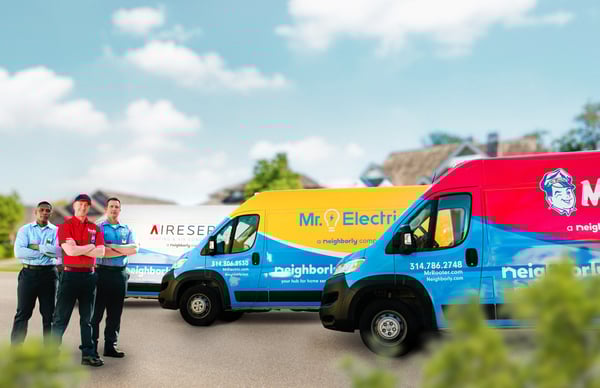
As a franchise owner, you operate with the foundation of a larger brand and benefit from the franchisor's established franchise system, which provides branding, training, and ongoing support. Organizations like Neighborly® operate at the center of this growth, offering multiple trade franchise brands across a wide range of essential home services categories. Here's what you need to know when deciding which home service franchise is right for you.
First, Why Home Services Are Leading Franchise Business Opportunities
Regular professional services can ensure comfort, convenience, and structural integrity for clients. Combined with the strength of today’s home service industry trends, these factors make this sector particularly attractive for franchise and business ownership.
Key drivers include:
- Aging housing stock requiring ongoing repair and maintenance
- Growth in homeownership and property investment
- Increased demand for preventative maintenance services
- Consumer trust in nationally branded home services providers, as consumers expect consistent quality and positive experiences across all franchise locations
- Potential recurring service contracts producing predictable cash flow
These trends position home services as one of the strongest categories for franchise business opportunities in today’s uncertain market. Unlike some retail franchises that depend on discretionary spending, professional trade and home services businesses provide essential services.
Comparing Home Services to Other Franchise Business Opportunities
Franchising in home services may offer greater long-term durability than in restaurant or retail franchise ownership. Mainly due to the nature of home services and the fact that plumbing, HVAC, electrical, and other trade professionals remain a non-negotiable for most property owners.
When evaluating franchise business opportunities across industries, home services stand out for several other reasons:
- Essential demand versus discretionary spending
- Higher average service ticket prices
- Recurring customer relationships
- Recession resistance
- Strong ROI potential
When comparing home services franchises to other franchisors, it's important to focus on net profits rather than just gross sales figures, as actual profits after expenses are a key measure of success. Gross sales figures do not necessarily reflect actual profits after expenses.
Understanding the Trade Franchise Model in Home Services
A trade franchise operates within skilled service categories such as:
- HVAC services
- Plumbing
- Electrical repair
- Appliance repair
- Residential cleaning
- Handyman services
- Restoration services
The advantage of a trade franchise is the combination of technical demand and proven franchising systems. Instead of building a home services company from the ground up, franchise ownership provides:
- Established brand recognition
- Operational systems
- Marketing support
- Designated territories
- Ongoing training and support
- Marketing resources
These benefits can help reduce startup risk while accelerating revenue growth.
Evaluating Franchise Ownership in Home Services
When evaluating brands, here are three major things to take into consideration:
1. Investment Requirements
As part of a franchise system, franchise owners operate outlets where they sell services under the franchisor's trademark. Franchising involves paying fees to the franchisor for the right to use their brand and business model. When assessing franchise business opportunities, also consider the following investment requirements:
- Initial franchise fee
- Capital requirements
- Franchise fees and royalty (also known as licensing) fees
- Advertising and marketing contributions
- Ongoing operational expenses
- Technology systems
- Start-up costs, including initial franchise fees, equipment, and other financial requirements
Review the Franchise Disclosure Document (FDD) carefully. The FDD includes detailed information about initial and ongoing costs, such as franchise fees, royalties, advertising contributions, and outlines how much money is needed to start the franchise and what expenses to expect. More to come on this topic later in this article.
Learn more about understanding the costs associated with starting a Neighborly franchise.
2. Your Role in the Business
Uncommonly known, you may not need professional trade experience to be a home services franchise owner. Franchise ownership in home services can be structured in two primary ways:
- Owner-operator model (hands-on trade involvement)
- Executive or management model (team leadership and growth focus)
Many trade franchise owners choose to hire licensed technicians while focusing on operations, sales, and marketing. Others prefer active field involvement. The right franchisor can help guide you in ensuring you have the right certifications and employee training resources to run your business efficiently. Choosing the right home services franchise depends on how you want to participate in daily operations.
3. Market Demand and Territory Analysis
Even with strong national trends in the home service industry, local demand drives profitability. Before investing in franchising, evaluate:
- Population growth
- Housing density
- Age of homes
- Competition within your trade category
- Demand for recurring home services
- The presence of other franchise owners and other locations in your territory to assess competition and available support
Investigating the competition in your area, including other franchise owners, is crucial for making an informed investment decision. Potential franchise owners can connect with current franchise owners to gain firsthand insights into the franchise system, support, and day-to-day operations. Often, having one-on-one conversations with these local owners is crucial to the franchise ownership startup process.
Franchise Disclosure Document: What to Know Before You Sign
Before committing to any franchise opportunity, it’s essential to thoroughly review the Franchise Disclosure Document (FDD). This disclosure document is a cornerstone of franchise law, designed to protect prospective franchise owners by providing a transparent overview of the business model, franchise fees, and all associated costs. The FDD is typically delivered by the franchisor at least 14 days before you sign the franchise agreement, giving you time to evaluate the terms and conditions.
Inside the FDD, you’ll find detailed information about the franchise opportunity, including the franchisor’s financial statements, supply chain management practices, and the structure of franchise contracts. Reviewing these sections helps you understand not only the initial investment and ongoing fees, but also how the franchisor supports its franchise owners and manages its business. Pay close attention to the franchisor’s obligations, your responsibilities as a owner, and any restrictions or requirements outlined in the agreement.
By carefully analyzing the FDD, you can make an informed decision about whether the franchise aligns with your goals and expectations.
Assessing the Franchisor’s Track Record & Conducting Due Diligence Before You Commit
Choosing the right franchise means looking beyond the brand name and digging into the franchisor’s experience and history. Due diligence is a vital step in the franchise buying process, ensuring you fully understand the franchise opportunity before making a commitment.
Start by reviewing the franchisor’s financial statements and business experience, which are typically included in the franchise disclosure document. Take the time to analyze the franchise contracts and speak directly with current franchise owners to gain real-world insights into the business.
It’s also important to research the franchisor’s track record by seeking out success stories from current and former franchise owners. Many franchisors have a proven history of helping owners thrive, but due diligence is key to finding the right franchise for your goals.
In addition to conducting thorough due diligence, consult with legal and financial professionals before signing a franchise agreement. By doing so, you can confidently assess whether the franchise opportunity aligns with your goals, resources, and expectations, helping you avoid costly mistakes and set the stage for a successful franchise journey.
Tip: Franchise handbooks provide listings of available franchises by type of business and basic information about each franchise. Ask a franchise developer how to get your hands on one!

Why Neighborly Is a Leader in Home Services Franchising
Neighborly is one of the largest home services franchisors in the world. The company operates 19 home service franchise brands under one umbrella, allowing franchise owners to leverage shared systems, brand recognition, and cross-referral networks.
Benefits of franchising with Neighborly include:
- Access to nationally recognized home services brands
- Centralized technology platforms
- Ongoing operational coaching
- Marketing and lead generation systems
- Established vendor relationships
- Franchise community support
With strong industry fundamentals and organizations like Neighborly supporting multi-brand growth, franchise ownership in home services remains one of the most strategic investments available in today’s franchising landscape.
For entrepreneurs comparing franchise business opportunities, Neighborly’s multi-brand structure provides flexibility within the home services space. Take Neighborly’s franchise quiz to help identify which brand may be best for you!

Frequently Asked Questions About Home Services Franchising
What makes home services a strong franchise investment?
Home services provide essential, recurring demand supported by long-term home service industry trends, making them reliable franchise business opportunities.
Is a trade franchise different from other franchise models?
Yes. A trade franchise focuses on skilled service categories such as HVAC, plumbing, or electrical work, often generating higher average ticket values.
Can franchise ownership in home services scale?
Yes. Many franchise owners expand to multiple territories or brands within the home services sector.
Why consider Neighborly?
Neighborly operates multiple established home services brands with shared systems and long-standing franchising expertise.
How much does it cost to own a Neighborly franchise?
Initial investment varies by industry and brand, typically ranging from around $60,000 to over $300,000, depending on location, equipment, and startup requirements. This investment covers startup costs such as equipment and marketing. It’s based on factors such as the size and population of your territory, any existing equipment, supplies, and marketing materials, as well as financing costs and potential discounts. To learn more, see our Franchise Costs & Investment page. Please refer to item 7 of the applicable Franchise Disclosure Document (FDD) for full details.
Neighborly works with third-party lenders to provide financing options for qualified candidates. Options might include self-financing, commercial bank loans, small business administration (SBA) loans, or other forms of financing. For more information, watch our on-demand session Financing a Franchise.
What do you need to open a franchise?
To open a franchise, you need dedication, a full understanding of the franchise agreement, and funds to support your investment. Do research to determine the right industry, price point, and brand that fits your interests and goals. Here’s a resource for evaluating franchise opportunities. Once you’ve narrowed it down, ask your top franchisors plenty of questions and secure the proper funding for your chosen franchise brand.


.svg)